

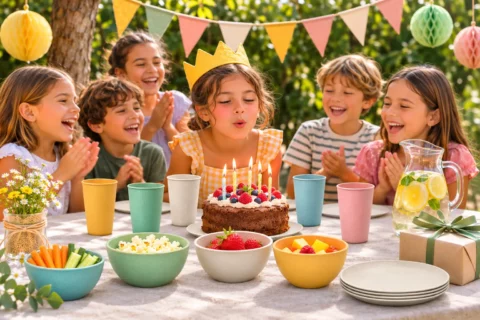

Polypropylene, also known as PP, is one of the most widely used plastics in the world. If you’re wondering what polypropylene is, it’s a material known for its light weight, strength and versatility. It is found in food packaging, medical products, automotive components, textiles and household items, as well as in reusable solutions designed to reduce single-use waste.
But understanding what polypropylene is goes beyond simply knowing that it is “a plastic”. Its composition, properties and reusability explain why it plays such an important role in so many industries. In this guide, we’ll explore exactly what polypropylene is, how it’s manufactured, what it’s used for, its advantages and limitations, and its role in a more responsible consumption model based on reuse.
Polypropylene is a widely used material, but what defines it and where it comes from are not always fully understood. To understand it properly, it’s important to know its origins, composition and classification within the family of plastics.
Polypropylene (PP) is a thermoplastic polymer belonging to the polyolefin family. It is produced through the polymerisation of propylene, a gas derived from petroleum and natural gas. It is a semi-crystalline material made up of long carbon chains, giving it light weight, mechanical strength and chemical stability, which are essential properties for its use in a wide range of applications.
Its industrial development began in the 1950s. In 1954, Giulio Natta, building on the work of Karl Ziegler, successfully produced isotactic polypropylene, making commercial-scale production possible. This breakthrough, made possible by Ziegler-Natta catalysts, marked a turning point in the plastics industry and laid the foundations for modern polypropylene.
Polypropylene is a polymer formed by repeating propylene units (C₃H₆), a hydrocarbon derived from petroleum or natural gas. Its structure, consisting of long chains of carbon and hydrogen, gives it chemical stability and resistance to degradation.
At the molecular level, it can have different configurations (tacticity), with the isotactic form being the most common, in which the methyl groups (-CH₃) are arranged in an orderly pattern. This arrangement increases crystallinity and improves its mechanical and thermal properties.
Because it consists only of carbon and hydrogen, without chlorine or other elements, its composition helps explain its light weight, chemical resistance and ease of recycling. It can also be modified through additives or copolymerisation to suit different applications.
Overall, its composition provides the foundation for a stable, versatile and durable material, suitable for both industrial applications and reusable solutions within more sustainable models.
Yes, polypropylene is a type of plastic, specifically a thermoplastic, meaning it can be melted by heat and repeatedly moulded without losing its properties. This characteristic makes it particularly useful in industrial processes and the manufacture of reusable products.
It belongs to the polyolefin family, alongside polyethylene (PE), and is characterised by being lightweight, strong and safe for a wide range of applications, including food contact. For this reason, it is widely used in packaging, kitchen utensils, medical products and reusable solutions.
Compared with other plastics, it also stands out for its resistance to relatively high temperatures and its durability, making it a suitable choice when the aim is to extend product lifespans and reduce the use of single-use materials.
Polypropylene manufacturing is an industrial process that transforms fossil-based raw materials into a versatile and widely used material. To understand it properly, it’s important to know the key stages, from obtaining propylene to transforming it into a finished product.
The raw material used to manufacture polypropylene is propylene (or propene), a gas obtained mainly during petroleum refining and natural gas processing. It is primarily produced through processes such as cracking, in which heavier hydrocarbon fractions are broken down into lighter compounds used in the chemical industry.
Once obtained, propylene is separated and purified to the level required for polymer production, as impurities can affect the final quality of the material. Although its origin is predominantly fossil-based, alternatives such as renewable propylene (bio-propylene), produced from biomass or waste, are also being developed to reduce dependence on petroleum.
Once propylene has been obtained and purified, the next step is polymerisation, the chemical process in which its molecules (monomers) join together to form long chains, producing polypropylene. This process takes place under controlled temperature and pressure conditions and is essential for determining the material’s properties.
Polymerisation is carried out using catalysts such as Ziegler-Natta or metallocene catalysts, which make it possible to control the polymer’s structure and, consequently, characteristics such as strength, flexibility and transparency. Thanks to this control, different types of polypropylene can be produced for specific applications.
Once polymerisation is complete, polypropylene is not used directly. Instead, it undergoes a finishing process in which it is purified, stabilised and adapted for its final application. During this stage, residues of catalysts and unreacted compounds are removed, and additives are incorporated to improve its properties.
The material is then transformed into granules or pellets, a format that makes transportation and processing easier. These pellets are used as raw material to manufacture products through techniques such as injection moulding, extrusion and blow moulding, resulting in applications ranging from packaging to reusable products such as cups and containers.
Once polypropylene is in pellet form, it is transformed into finished products using different industrial processes, depending on the required shape and application. The most common methods are injection moulding, extrusion and blow moulding, all widely used in the plastics industry.
Injection moulding involves melting the material and injecting it into a mould, where it cools and solidifies, making it ideal for rigid and detailed components. Extrusion produces continuous products such as sheets or pipes by forcing molten material through a die. Blow moulding, meanwhile, uses air to form hollow objects such as bottles or containers. Thanks to these processes, polypropylene can be adapted to numerous applications, including reusable solutions.
Polypropylene is not a single, uniform material. It comes in different types depending on its molecular structure and manufacturing process. These variations determine its properties and make each type more suitable for specific applications.
Polypropylene homopolymer (PPH) is the most basic and common form of polypropylene. It is manufactured exclusively from propylene monomers, without other comonomers, resulting in a material with high rigidity, a good strength-to-weight ratio and excellent chemical resistance. It is therefore used when strong, lightweight components that resist wear or chemical substances are required.
Compared with other types, it stands out for its greater rigidity and tensile strength, although it has lower impact resistance at low temperatures than some copolymers. For this reason, it is chosen when stability, hardness and heat resistance are prioritised over flexibility.
Its applications include rigid packaging, lids, industrial components, tanks, technical parts, household items and medical or food-contact products, depending on the grade. Overall, it is one of the most widely used types because of its balance between cost, strength and ease of processing.
Random copolymer polypropylene (PPR) is produced by incorporating small amounts of other monomers, usually ethylene, randomly into the polypropylene chain. This modification reduces its crystallinity, improving transparency, flexibility and impact resistance compared with the homopolymer.
As a result, PPR offers a good balance between rigidity and flexibility, along with a more transparent appearance. It maintains good chemical resistance and, in suitable grades, is approved for food contact, making it useful for packaging, containers, films and household products.
Compared with other types, it stands out in applications that require a certain degree of elasticity or resistance to moderate impacts without losing thermal stability. It is a common choice when durability and appearance are both important.
Block copolymer polypropylene (PPC) is produced by incorporating ethylene in blocks within the polypropylene chain, rather than distributing it randomly. This structure creates distinct regions within the material and significantly improves its impact resistance, especially at low temperatures, compared with homopolymer and random copolymer polypropylene.
As a result, PPC is tougher and more resistant to impacts, although it is slightly less rigid and transparent. It maintains good chemical resistance and thermal stability, making it suitable for durable packaging, automotive components, crates and industrial parts. It is commonly chosen when durability and mechanical strength are the main priorities.
High-impact polypropylene (ICP) is a variation of block copolymer polypropylene specifically designed to maximise resistance to impacts and demanding conditions, particularly at low temperatures. It is produced by incorporating rubber phases, generally ethylene-propylene, into the polypropylene matrix, giving it a greater ability to absorb energy without breaking.
Thanks to this structure, ICP is more flexible and impact-resistant than other types of polypropylene, although this comes at the expense of some rigidity. This combination makes it particularly suitable for applications where the material must withstand mechanical stress, drops or vibrations without fracturing.
It is commonly used in industries such as automotive manufacturing, as well as in containers, reusable crates, industrial components and products subjected to intensive use. In short, ICP is the preferred choice when impact resistance and durability under demanding conditions are the main priorities.
Expanded polypropylene foam (EPP) is a closed-cell variant with an internal structure made up of air bubbles, giving it unique properties: it is extremely lightweight, absorbs energy during impacts and provides thermal and acoustic insulation. These characteristics make it ideal for applications requiring protection, cushioning or insulation without adding unnecessary weight.
It is commonly used in protective packaging for delicate products, automotive components such as impact absorbers and headrests, building insulation and sports equipment. In short, it is the preferred choice when low weight must be combined with cushioning capacity and resistance to repeated impacts.
Polypropylene stands out for a combination of properties that explain its widespread use across multiple industries. Understanding its mechanical, thermal and chemical characteristics is essential to knowing why it is such a versatile material and when it is the best choice.
Polypropylene is known for its good mechanical properties, providing strength without adding unnecessary weight. It is a lightweight yet rigid material with a high strength-to-weight ratio, capable of withstanding stress without deforming easily.
It offers good tensile and fatigue resistance, meaning it can be bent repeatedly without breaking, an important characteristic in applications such as plastic hinges and reusable containers. It also resists wear and abrasion well, contributing to its durability during continuous use.
Its impact resistance varies depending on the type: homopolymer polypropylene is more rigid but less resistant to impacts, while copolymers improve this property. Overall, it combines strength, flexibility and durability, explaining its widespread use.
Polypropylene is characterised by its excellent thermal properties, as it can withstand relatively high temperatures compared with other plastics. It has a melting point of approximately 160–170 °C, allowing it to maintain its shape in applications involving moderate heat.
In everyday use, it can withstand temperatures of 100 °C to 120 °C continuously, making it suitable for food packaging, reusable containers and products that can be used in microwaves or dishwashers, provided they are designed for these purposes.
It also has low thermal conductivity, acting as an insulator. However, at very low temperatures it can become more brittle, particularly in its homopolymer form. Overall, it offers a good combination of heat resistance, stability and durability.
Polypropylene stands out for its high chemical resistance, allowing it to come into contact with many substances without degrading or changing its properties. It is particularly resistant to acids, bases (alkalis) and numerous organic solvents, which is why it is used in packaging, pipes and industrial applications.
This stability is also essential in food-related applications, as it does not react easily with fats, oils or commonly used products, helping maintain the safety of the contents. For this reason, it is widely used in food containers and utensils.
However, it can be affected by strong oxidising agents or prolonged exposure to certain solvents at high temperatures. Overall, its chemical resistance is one of its most valued properties.
Polypropylene has good electrical properties, making it an effective insulating material thanks to its low conductivity and high dielectric strength. This allows it to withstand electric fields without conducting current, which is why it is used in cable coatings, electronic components and insulating housings.
In terms of barrier properties, it offers good moisture resistance but is less effective against gases such as oxygen or CO₂ compared with materials such as PET. It is therefore used in packaging that requires protection against moisture, although it may be combined with other materials in more demanding applications.
Overall, these properties make it suitable for both electrical applications and packaging, where a balance between insulation, protection and cost is required.
One of polypropylene’s limitations is its sensitivity to ultraviolet (UV) radiation. Prolonged exposure to sunlight can cause degradation, leading to reduced mechanical strength, discolouration and increased brittleness over time.
To improve its performance, UV stabilisers and antioxidants are added to protect against light, oxygen and heat, extending its lifespan, particularly in outdoor applications.
In addition to UV radiation, factors such as temperature and continuous use influence its ageing process. Even so, when properly formulated, polypropylene can maintain its properties for long periods, making it suitable for durable and reusable products.

Polypropylene is one of the most versatile materials available, which explains its presence across numerous industries and applications. Its properties make it suitable for both industrial purposes and everyday consumer products.
Polypropylene is one of the most widely used materials in packaging due to its light weight, strength and suitability for food contact. It is used in containers, lids, trays, films and reusable packaging because it is chemically stable and does not react with fats or liquids.
Its thermal resistance also allows many of these containers to be used in microwaves or dishwashers when designed for these purposes. It also provides a good moisture barrier, helping preserve food. For these reasons, it is used in both single-use packaging and more durable reusable solutions.
Polypropylene is widely used in the automotive industry because it is lightweight, strong and cost-effective. It is used in components such as bumpers, interior panels and dashboards, helping reduce vehicle weight without compromising strength.
Its impact resistance and chemical resistance also make it suitable for components subjected to intensive use. As a result, it contributes to the manufacture of more efficient and durable vehicles.
Polypropylene is widely used in the medical and pharmaceutical industries because of its safety, chemical stability and ability to withstand sterilisation. It is commonly found in syringes, medicine packaging, test tubes and laboratory containers, as it does not react with most substances.
It can also withstand heat or steam sterilisation (autoclaving) without deforming, making it ideal for healthcare applications where hygiene and reliability are essential.
Polypropylene is used in the textile industry to manufacture lightweight, strong and affordable synthetic fibres. It is commonly found in carpets, upholstery, ropes, technical fabrics and sportswear, thanks to its good resistance to wear and moisture.
Its low water absorption also allows fabrics to dry quickly and remain lightweight, making it ideal for applications where durability and low weight are important.
Polypropylene is used in the construction industry because of its strength, durability and ability to withstand demanding conditions. It is commonly found in pipes, drainage systems, insulation, waterproof membranes and lightweight structural components.
It stands out for its chemical and moisture resistance, making it suitable for installations in contact with water or aggressive substances. Its light weight and ease of installation also help reduce construction costs and installation times.
Polypropylene is used in household appliances and electronics because of its insulating properties, strength and durability. It is commonly found in housings, internal components, connectors and cable coatings, where electrical safety is essential.
Thanks to its low electrical conductivity and heat resistance, it provides protection against electrical currents and moderate temperatures. Its light weight and ease of moulding also allow complex components to be manufactured efficiently.
Polypropylene is very common in household products and kitchenware because of its light weight, durability and suitability for food contact. It is used in food containers, lunch boxes, reusable cups and kitchen utensils, as it does not absorb odours or flavours and is easy to clean.
Its heat resistance also allows many of these products to be used in microwaves or dishwashers, provided they are designed for these purposes. Thanks to its durability and reusability, it is a practical alternative to single-use products.
Before choosing polypropylene for a specific application, it’s important to understand both its strengths and limitations. Like any material, it offers clear advantages, but it also has drawbacks that should be taken into account.
Polypropylene offers a combination of properties that make it one of the most widely used plastics worldwide. Its main advantages include:
Although polypropylene is a highly versatile material, it also has some limitations worth considering:
The environmental impact of polypropylene largely depends on how it is used and managed throughout its life cycle. Although it is not biodegradable, its durability, reusability and recyclability can make it a more responsible option compared with single-use alternatives.
Yes, polypropylene is a recyclable material identified by recycling code #5, meaning it can be transformed into new products after cleaning and shredding processes. Recycled polypropylene is also being used increasingly, reducing the need for virgin raw materials and supporting the circular economy.
Beyond recycling, its greatest advantage is reusability. Because it is strong and durable, it can be used to manufacture products such as reusable cups that can be used many times, reducing their environmental impact compared with single-use alternatives. When reuse is combined with recycled material, polypropylene fits into a more sustainable model based on reducing, reusing and recycling.
Polypropylene’s carbon footprint is linked to its fossil-based origins and manufacturing process, as it is produced from petroleum or natural gas derivatives and requires energy. As with most plastics, a significant proportion of its environmental impact occurs during manufacturing, although its entire life cycle must be considered. Thanks to its light weight and durability, it can be used to manufacture products with longer lifespans, reducing their environmental impact per use.
Furthermore, using recycled material and opting for reusable solutions can significantly reduce its footprint. In products such as reusable cups, the environmental impact decreases compared with single-use alternatives, supporting circular economy models based on reuse and extending product lifespans.
The use of polypropylene in Europe is regulated by legislation that ensures its safety, traceability and environmental management, particularly in food packaging and consumer products.
In the food sector, Commission Regulation (EU) No 10/2011 is particularly important, as it establishes permitted substances, migration limits and conditions of use to prevent harmful compounds from transferring into food. In addition, Regulation (EC) No 1935/2004 sets out the general requirements for all materials intended to come into contact with food.
From an environmental perspective, Directive (EU) 2019/904 on single-use plastics promotes the reduction of disposable products and encourages reusable alternatives. Although polypropylene itself is not banned, its use is evolving towards more durable and circular solutions.
Finally, the REACH Regulation governs the chemical substances used in its manufacture, ensuring they do not pose risks to human health or the environment. Together, these regulations not only help ensure the safety of polypropylene but also encourage its development towards more sustainable models based on recycling, reuse and responsible consumption.
In recent years, polypropylene has been evolving towards more sustainable models driven by the circular economy and innovation in materials. One of the main trends is the increasing use of recycled polypropylene (rPP), which reduces dependence on virgin raw materials and lowers environmental impact.
Chemical recycling is also advancing, making it possible to recover material with a quality similar to the original and expanding its potential for reuse. At the same time, renewable, bio-based polypropylene produced from non-fossil sources is being developed. Ecodesign is also gaining importance, focusing on creating products that are more durable, reusable and recyclable.
In this context, polypropylene stands out as a key material for reusable solutions, where its durability reduces environmental impact compared with single-use products. These trends reflect a change in approach: what matters is not only the material itself, but also how it is designed, used and managed within more sustainable systems.
Polypropylene is one of the most widely used materials in food packaging and reusable solutions because of its safety and durability. In applications such as reusable cups, including those from Ecogots, its properties make it possible to combine hygiene, durability and sustainability in a single product.
Yes, polypropylene is a safe material for contact with food and drinks, provided it complies with current regulations. It is one of the most widely used plastics in food packaging because of its chemical stability, as it does not release harmful substances under normal conditions of use.
It also has high heat resistance, allowing it to be used in microwaves or dishwashers in products specifically designed for these purposes. It is resistant to fats, oils and acids, making it suitable for kitchen utensils and food containers.
In the European Union, its use is regulated by legislation such as Regulation (EU) No 10/2011, which protects consumer safety. Therefore, when certified, it is a reliable option for both packaging and reusable products such as cups, combining food safety and durability compared with single-use alternatives.
Reusable polypropylene cups stand out for combining strength, safety and durability, offering a genuine alternative to single-use plastic. They withstand impacts, drops and repeated use without deforming, and they are suitable for food contact without affecting the taste or smell of drinks.
They are also easy to clean, including in dishwashers, and their thermal resistance allows them to be used with hot or cold drinks. Their light weight makes them practical for events, while their customisation options also make them useful for branding purposes.
From an environmental perspective, their main advantage is reusability: the same cup can be used many times, reducing waste. If it also contains recycled material, this further strengthens its role within a more sustainable model based on extending the product’s useful life.
Polypropylene has become a key material in events, festivals and the hospitality industry because of its strength, light weight and reusability. It is mainly used in reusable cups, as well as trays and containers, because it can withstand intensive use without deforming or breaking.
In environments with high consumption volumes, its durability allows the same cup to be reused multiple times, significantly reducing waste compared with disposable alternatives. Its ease of cleaning and dishwasher resistance also make it ideal for return and reuse systems.
It also stands out for its light weight and safety, reducing risks compared with glass in crowded spaces. For this reason, it is an increasingly popular solution within more responsible consumption models in the industry.
Choosing the right material depends on its properties and intended use. Comparing polypropylene with other materials helps clarify its advantages, limitations and the situations in which it is the best choice.
The comparison between polypropylene and polyethylene is very common, as both belong to the polyolefin family and share certain characteristics. However, they have key differences that make one more suitable than the other depending on the application.
Polyethylene (PE) is more flexible and impact-resistant, especially at low temperatures, which is why it is used in bags, films and flexible packaging. Polypropylene (PP), on the other hand, is more rigid, lightweight and heat-resistant, allowing it to maintain its shape better and making it suitable for reusable containers or microwave-safe packaging.
If you’re choosing between polypropylene and polyethylene:
From a sustainability perspective, polypropylene also stands out in reusable applications, as its strength helps extend product lifespans and reduce environmental impact compared with single-use solutions.
| Property | Polypropylene (PP) | Polyethylene (PE) |
|---|---|---|
| Rigidity | High | Low to medium |
| Flexibility | Medium | High |
| Heat resistance | High (approx. 100–120 °C during continuous use) | Low to medium |
| Impact resistance | Medium (better in copolymers) | High, especially in cold conditions |
| Weight | Very lightweight | Very lightweight |
| Common uses | Rigid packaging, reusable products | Bags, films, flexible packaging |
| Reusability | High | More limited depending on the application |
Comparing polypropylene and PET is particularly relevant for packaging, cups and food-related products. Both are widely used, but they meet different needs: PET stands out for its transparency, rigidity and good gas barrier properties, while polypropylene (PP) excels in heat resistance, light weight and reusability.
PET is mainly used in bottles, trays and transparent packaging, as it allows the contents to be seen and offers good mechanical strength, as well as benefiting from well-established recycling systems. Polypropylene, on the other hand, is more suitable when products need to withstand heat, frequent washing or repeated use, which is why it is used in reusable containers, microwave-safe packaging and reusable cups.
If you’re deciding between polypropylene and PET, the choice depends on your objective: PET is ideal when transparency and good gas barrier properties for beverages are important, while polypropylene stands out when reusability, heat resistance and a longer product lifespan are prioritised.
| Property | Polypropylene (PP) | PET |
|---|---|---|
| Transparency | Medium; can be translucent | High |
| Heat resistance | High; suitable for microwaves/dishwashers when designed for these purposes | Medium; more sensitive to heat |
| Moisture resistance | Good | Good |
| Gas barrier properties | Lower than PET | Better barrier against oxygen and CO₂ |
| Light weight | Very lightweight | Lightweight |
| Common uses | Reusable cups, containers, lids, heat-resistant packaging | Bottles, trays, transparent packaging |
| Reusability | Very good in durable products | More commonly used in single-use or recyclable packaging |
| Recycling | Recyclable, code #5 | Highly recyclable, code #1 |
Comparing polypropylene and PVC is common in sectors such as packaging, construction and industrial applications. Although both are widely used plastics, they have different compositions and characteristics that determine their applications.
PVC (polyvinyl chloride) is denser and more rigid, with good chemical resistance and excellent durability, particularly in pipes, profiles and construction materials. However, it often requires additives to improve flexibility and may be less suitable for food contact or frequent reuse.
Polypropylene (PP), on the other hand, is lighter, more flexible and more heat-resistant, making it better suited to packaging, reusable containers and food-related applications. It also contains no chlorine, which simplifies its recycling and makes it more versatile in circular economy models.
If you’re choosing between polypropylene and PVC:
From a sustainability perspective, polypropylene stands out in reusable solutions, as its durability and ease of recycling help extend product lifespans and reduce environmental impact compared with single-use alternatives.
| Property | Polypropylene (PP) | PVC |
|---|---|---|
| Weight | Very lightweight | Heavier |
| Rigidity | Medium to high | High (can be rigid or flexible with additives) |
| Heat resistance | High | Medium |
| Chemical resistance | High | High |
| Food safety | Suitable (depending on grade) | More limited depending on the application |
| Recycling | Simpler (chlorine-free) | More complex |
| Common uses | Packaging, reusable cups, containers | Pipes, construction, profiles |
| Reusability | High | More limited depending on use |
Comparing polypropylene with glass and stainless steel is common when choosing materials for packaging, cups or reusable utensils. In this case, polypropylene competes with materials generally considered more durable or “premium”.
Glass is chemically inert, does not alter flavours and is highly recyclable, but it is heavier and more fragile, which limits its use at events or in crowded spaces. Stainless steel is extremely strong and durable, although it is also heavier, more expensive and less practical for large-scale applications.
Polypropylene (PP) offers a balanced alternative: it is lightweight, impact-resistant and safe in situations where glass is not practical. It is also suitable for food contact, does not affect taste and withstands repeated washing, making it ideal for reusable solutions.
If you’re comparing polypropylene with glass or stainless steel:
From a sustainability perspective, polypropylene offers advantages for large-scale reuse, where its light weight reduces transportation impact and its durability allows repeated use, particularly in applications such as reusable cups at events.
| Factor | Polypropylene (PP) | Glass | Stainless Steel |
|---|---|---|---|
| Weight | Very lightweight | High | High |
| Impact resistance | High | Low (fragile) | Very high |
| Safety at events | High | Low | Medium |
| Reusability | High | High | Very high |
| Cost | Low | Medium | High |
| Large-scale use | Very suitable | Limited | Limited |
| Transportation | Easy | Costly | Costly |
| Practical sustainability | High (reuse) | High (recycling) | High (durability) |
At Ecogots, we believe in polypropylene as a key material for providing a genuine alternative to single-use plastic. Our products are designed to combine durability, food safety and sustainability, allowing intensive use without compromising quality or functionality.
Made with more than 20% recycled material and being 100% recyclable, they fit into a circular economy model focused on extending product lifespans and reducing waste. Their strength also allows them to be reused many times, significantly reducing environmental impact compared with disposable alternatives.
Another of their main advantages is customisation, making them an ideal tool for events, festivals, brands and hospitality businesses looking to stand out without compromising their commitment to more responsible solutions.
If you’re looking for a practical, durable option that supports more conscious consumption, discover our reusable cups and all the possibilities they offer here.



Black Friday at Ecogots
Enter the code in your basket before checkout. Valid until 22 November.
VAJILLA25Plates, bowls and cutlery. For your company, school or event? We can also customise it with your logo.
Shop tablewareFrom 23 to 27 November, 25% off the whole shop.