



Home sustainability is no longer just a trend, but an accessible way of life that transforms your house into a more efficient, comfortable and environmentally friendly space. Adopting sustainable practices helps reduce energy, water and resource consumption, improving your family’s quality of life and generating long-term savings.
Living responsibly means making conscious decisions at home: choosing durable, healthy products and optimising the use of resources such as lighting, water and electricity. It does not require a radical change, but rather small everyday actions that, when combined, make a significant positive impact on your surroundings and the planet.
In this article, we will explore how to transform your home into a more sustainable space with practical ideas, clear steps and solutions that can be adapted to your lifestyle. You will discover that every choice matters and that creating a greener, more responsible home is within everyone’s reach.
Being sustainable at home is not just a trend, but a direct response to environmental challenges and the need to improve family well-being. Households account for a significant proportion of resource consumption and greenhouse gas emissions, particularly through energy and water use. Adopting sustainable practices not only reduces environmental impact, but also improves economic efficiency by optimising energy and water consumption and choosing more efficient products.
Households have a considerable environmental impact. Domestic energy and resource consumption contributes to greenhouse gas emissions and the use of water and electricity. In the EU, household activities generated almost 680 million tonnes of CO₂ equivalent, making households one of the major sources of emissions, alongside industry and transport. A large proportion of these emissions comes from heating and cooling, electricity consumption, and fuels used for heating and vehicles.
This environmental impact results from both direct energy use at home (heating, hot water, lighting and household appliances) and the indirect consumption of goods and services. In Spain, a typical home generates around 4 tonnes of CO₂ per year, but adopting sustainable consumption practices can reduce this figure considerably.
Household behaviour directly affects natural resource consumption and the pressure placed on ecosystems. High demand for energy and water contributes to climate change and other environmental problems, such as air pollution and water stress. According to the United Nations, households in high-income countries have a larger material footprint, highlighting the need to adopt more sustainable practices.
Home sustainability not only benefits the environment, but is also closely linked to economic efficiency. Improving energy efficiency through measures such as better home insulation, energy-efficient appliances and energy management systems helps reduce resource consumption and lower electricity, gas and water bills without sacrificing comfort.
Organisations such as the International Energy Agency (IEA) emphasise that energy efficiency reduces energy consumption and CO₂ emissions while also delivering direct financial savings by lowering energy demand without affecting essential services.
This approach of “doing more with less” translates into tangible benefits: energy-efficient homes spend less on heating, cooling and electricity, provide greater thermal and lighting comfort, and often increase in value as their energy performance rating improves.
In short, sustainability and economic efficiency go hand in hand: by reducing energy consumption and optimising resource use, households not only lower their environmental impact, but also achieve real, lasting savings on household expenses.
Before exploring the key areas of home sustainability, it is important to understand how they are interconnected. A sustainable home combines energy and resource efficiency, responsible design and products that minimise environmental impact, creating a healthier, more environmentally friendly living space. In addition to reducing emissions and resource consumption, these practices can also generate savings, improve comfort and encourage a more conscious lifestyle.
The following sections will guide you step by step through practical measures to make your home more sustainable.
Energy efficiency at home is essential for reducing energy consumption, greenhouse gas emissions and household bills. The International Energy Agency considers it the “first fuel” of the energy transition, as it reduces energy demand quickly and cost-effectively without compromising comfort.
The buildings sector, which includes residential properties, accounts for more than a third of global energy consumption, mainly through heating, cooling, lighting and household appliances. Optimising energy use at home has a direct impact on both our finances and the planet.
There are several practical ways to improve energy efficiency:
Simple changes, such as washing clothes in cold water or hanging laundry out to dry, can reduce household energy consumption and its carbon footprint. These practices not only lower environmental impact, but also generate savings on energy bills while improving household comfort and resilience.
Efficient water management at home is essential for protecting a scarce resource while reducing household expenses and environmental impact. Although we live on a “blue planet”, only a small fraction of the Earth’s water is fresh and accessible for human consumption, which means every litre saved matters.
Water is used throughout the home, and small improvements can significantly reduce consumption. Turning off the tap while brushing your teeth, repairing leaks and installing low-flow devices on taps and showers are simple measures that reduce water use without affecting quality of life.
Hidden leaks, such as a dripping tap, can waste dozens of litres every day. Choosing showers instead of baths, limiting shower time or collecting cold water while waiting for it to heat up and using it for other purposes, such as watering plants, are practical habits that reduce both consumption and water bills.
It is also advisable to use water-saving technologies, such as tap aerators, flow restrictors, dual-flush toilets and efficient appliances (low-consumption washing machines and dishwashers), which reduce water use without compromising performance. Managing water responsibly not only protects a vital resource, but also lowers utility bills and encourages responsible use of natural resources, which is particularly important given the challenges of climate change and water scarcity.
Sustainable decoration and interior design are not just about style, but about choosing materials and approaches that minimise environmental impact without sacrificing functionality or aesthetics. This involves using natural, recycled or renewable materials and making the most of natural light.
Choosing sustainable materials such as certified wood, bamboo, organic fabrics or recycled metals reduces environmental impact throughout their life cycle. These materials also bring character and warmth to living spaces.
Sustainable designers recommend choosing durable, versatile pieces, such as reused or reclaimed furniture, to reduce waste and the consumption of new resources.
Another key principle is the circular economy: reusing furniture and materials, and prioritising products with environmental certifications to reduce waste and promote a more ethical approach to interior decoration.
Finally, sustainable home decoration prioritises health by choosing paints with low levels of volatile organic compounds (low-VOC), natural textiles and solutions that improve indoor air quality, promoting overall well-being at home.
Choosing eco-friendly products for your home is an effective way to reduce environmental impact and improve your family’s health. These products minimise resource use, reduce emissions and avoid toxic chemicals, creating a safer and more sustainable environment.
Eco-friendly products are available for almost every area of the home, from cleaning to cooking and decoration. Replacing single-use items with reusable alternatives not only reduces waste, but also saves money in the long term, as they are more durable and reduce dependence on disposable plastics.
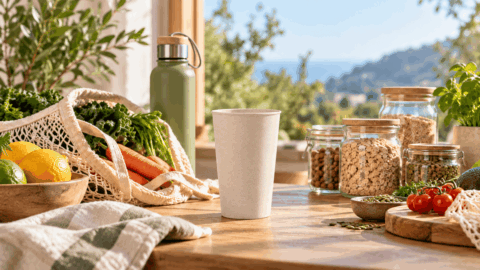
Examples of eco-friendly products include biodegradable detergents, sustainable kitchen utensils, furniture with environmental certifications and reusable solutions such as water bottles or fabric shopping bags. All these products help reduce pollution by avoiding synthetic ingredients and harmful materials.
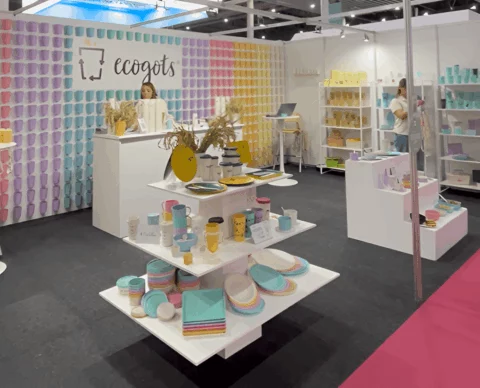
One particularly practical category is reusable, eco-friendly tableware and cups, which replace disposable alternatives and reduce waste in everyday activities. Options made from renewable or recycled materials combine sustainability with functionality. Ecogots offers solutions in this area, including personalised cups that are reusable and eco-friendly, allowing you to incorporate responsible products into your home without sacrificing comfort or style.
Introducing eco-friendly products into your home transforms small habits into actions with a significant positive impact, encouraging a greener, more conscious lifestyle without requiring drastic changes.
The kitchen is one of the areas of the home with the greatest environmental impact, particularly due to resource consumption and waste generation. Adopting sustainable practices does not require major changes, but rather simple decisions that can reduce your environmental footprint and improve efficiency at home. Reducing plastic use and optimising energy and water consumption not only protects the environment, but also generates financial savings and encourages a more conscious lifestyle.
Next, we will explore two key areas for creating a more sustainable kitchen: how to reduce plastic use in everyday activities and how to incorporate reusable eco-friendly tableware, an environmentally friendly alternative that helps reduce waste and improve food safety for your family.
Reducing plastic use in the kitchen is one of the most effective ways to minimise waste and protect the environment without compromising functionality or convenience. Single-use plastics, such as food wrapping, bags and disposable utensils, are widespread in modern kitchens and contribute significantly to pollution and the generation of waste that is difficult to break down.
One practical way to start is to replace plastic containers with durable alternatives such as glass, stainless steel or ceramic containers for storing food and reducing waste. You can also replace plastic bags and wrapping with reusable options (e.g. fabric bags or reusable silicone bags) and avoid products with excessive packaging whenever possible.
Other everyday actions with a genuine impact include replacing cling film and aluminium foil with alternatives such as beeswax wraps or reusable silicone covers, buying food in bulk using your own containers and choosing sustainable kitchen utensils (for example, wood or bamboo instead of plastic).
Reducing plastic use in the kitchen not only benefits the environment, but also contributes to a healthier living environment by limiting exposure to microplastics and potentially harmful chemicals that can migrate from plastics into food when heated or as the materials age. Practical tip: start by reviewing the plastic products in your kitchen and replacing single-use items with reusable alternatives first; small, consistent changes can significantly reduce your household’s plastic footprint.
Choosing eco-friendly tableware is a simple way to reduce the environmental impact of your kitchen. Single-use tableware, particularly plastic products, generates waste that is difficult to manage. By choosing reusable alternatives made from sustainable materials, you can reduce your household’s environmental footprint without compromising functionality or style.

Eco-friendly tableware, such as products made from rice husk biomass, wood or bamboo, is durable, safe and easy to clean, making it ideal for everyday use. These options are made from renewable or recycled materials, making them an environmentally friendly choice.
Ecogots offers eco-friendly tableware, including cups and plates made from low-impact materials, allowing you to introduce responsible products into your home without sacrificing comfort or design. With Ecogots, you can reduce the use of single-use plastics while enjoying functional and stylish products.
Adopting home sustainability habits not only reduces environmental impact, but also improves resource efficiency and the overall well-being of everyone living there. Small everyday changes, such as saving energy, managing waste more effectively or making more responsible purchasing decisions, can make a significant difference to your environmental footprint and contribute to a more balanced, conscious lifestyle.
In this section, we will look at practical, accessible tips that you can apply in your daily life, from reducing energy consumption to composting at home and making environmentally responsible shopping choices. These simple steps are within everyone’s reach and will help you transform your home into a greener, more responsible space.
Reducing energy consumption does not require major sacrifices, just more conscious habits. Switching off lights and devices when they are not in use, making the most of natural light, setting the thermostat to moderate temperatures and choosing energy-efficient appliances with high ratings on the EU’s A–G energy efficiency scale can significantly reduce energy consumption.
In addition, using power strips with switches to prevent standby energy consumption and washing clothes at lower temperatures helps reduce energy use. The International Energy Agency highlights these measures as some of the most effective ways to lower energy demand, reduce CO₂ emissions and save money on monthly bills.
Reducing plastic use in the kitchen is essential for minimising waste and protecting the environment. Switching to reusable alternatives such as glass, stainless steel or ceramic containers, fabric bags or silicone food storage bags, and replacing cling film and aluminium foil with beeswax wraps or silicone covers are simple steps that make a difference.
In addition, buying food in bulk and using wooden or bamboo kitchen utensils instead of plastic ones helps reduce environmental impact. These practices also contribute to a healthier home by limiting exposure to microplastics and potentially harmful chemicals.
Reducing household waste starts with responsible shopping: choosing durable products with less packaging and favouring reusable or bulk-buying options. Shopping consciously and avoiding impulse purchases significantly reduces the amount of waste generated.
Choosing products with minimal packaging, bringing your own containers to the supermarket and selecting fair trade products are everyday actions that not only reduce waste, but also promote ethical and sustainable consumption. These decisions, aligned with the principles of sustainable consumption, contribute to a more efficient and environmentally friendly home.
Adopting a sustainable approach at home not only protects the environment, but also improves your quality of life, reduces costs and benefits the surrounding community. A sustainable home reduces energy and water consumption, lowering your bills and easing pressure on natural resources. It also promotes healthier living spaces and contributes to a more balanced environment by reducing emissions and waste.
In the following sections, we will explore how these benefits translate into long-term savings, everyday well-being and a positive impact beyond the home, showing how sustainability transforms your living space into a more efficient and environmentally friendly place.
Reducing energy and water costs over the long term is one of the biggest benefits of making your home more sustainable. Improving energy efficiency through better insulation, efficient equipment and optimised heating and cooling reduces energy demand and, consequently, household bills, according to the International Energy Agency.
Similarly, using water-saving devices, such as efficient taps and showers, reduces both water consumption and the energy required to heat it, generating ongoing financial savings and a positive impact on your household budget.
Making your home more sustainable also directly improves quality of life by creating healthier, more environmentally friendly living spaces. By using non-toxic materials and promoting good ventilation, sustainable homes reduce exposure to pollutants and improve indoor air quality, which can help reduce allergies and respiratory problems.
In addition, making the most of natural light and maintaining comfortable indoor temperatures creates more pleasant living spaces, contributing to the well-being and mood of their occupants. Together, these improvements not only make your home more environmentally friendly, but also promote a healthier, more enjoyable life for the whole family.
Adopting sustainable practices at home also has a positive impact on the community and natural environment. By reducing emissions and optimising energy and water use, your home helps ease pressure on ecosystems and contributes to the fight against climate change.
When several households in a neighbourhood adopt sustainable principles, they encourage a more aware and collaborative community, improving residents’ quality of life and strengthening healthier, more resilient ways of living together. Collectively, these actions enhance the social and environmental value of the areas where we live, creating greener communities that are more respectful of nature.
Creating a more sustainable home is a long-term investment in our health, the well-being of future generations and the preservation of the planet. Every small action, from improving energy efficiency to reducing plastic use, contributes to creating a healthier, more efficient living environment. The decisions we make today, such as choosing eco-friendly products and opting for reusable alternatives, have a genuine impact on reducing waste, saving resources and improving quality of life.
Solutions such as those offered by Ecogots, with its reusable, eco-friendly tableware, are an excellent way to integrate sustainability into the home without sacrificing comfort or style. Choosing responsible products and making small, sustainable changes at home allows us to move towards a greener future where every decision matters. By adopting these practices, we not only reduce our environmental impact, but also inspire others to embrace change, creating more conscious and resilient communities.




Black Friday at Ecogots
Enter the code in your basket before checkout. Valid until 22 November.
VAJILLA25Plates, bowls and cutlery. For your company, school or event? We can also customise it with your logo.
Shop tablewareFrom 23 to 27 November, 25% off the whole shop.