Halloween is synonymous with costumes, pumpkins, candy and decorations, but it can also generate unnecessary waste due to single-use products, wrappers, costumes that are barely worn or food waste.
Celebrating a sustainable Halloween doesn’t mean giving up the fun, but rather making more responsible choices: reusing costumes, creating your own decorations, making the most of the pumpkin or replacing disposable products with reusable alternatives. In this guide you’ll find practical ideas for reducing the impact of the celebration and enjoying a more sustainable Halloween, both at home and with the little ones.
Halloween concentrates the consumption of costumes, decorations, candy and other products into just a few days, and in many cases these have a very short useful life. This can translate into increased waste, the use of single-use materials and food waste. However, a good part of this impact can be reduced by changing the way we buy, use and dispose of these products. To understand where we can take action, let’s look at the main sources of environmental impact associated with Halloween.
Costumes and decorations are essential at Halloween, but they can generate a lot of waste when bought to be used just once. In addition, many budget costumes contain synthetic fibres: a Fairyland Trust study of 324 garments and costumes sold in the UK found that 83% of the materials analysed were plastic, with polyester accounting for 69%. Although this data comes from the British market, it shows the strong presence of synthetic materials in this type of product.
The impact increases when costumes, masks, garlands, artificial cobwebs and other ornaments are thrown away after the celebration. Extending their useful life by storing, reusing or swapping them helps reduce both new purchases and the amount of waste Halloween generates.
Sweets, chocolate bars and other typical Halloween treats are usually individually wrapped in small portions, which can generate a large amount of waste in a very short time. Many of these wrappers are made from flexible plastics or combinations of different materials, which makes them difficult to recycle through conventional systems. The US Environmental Protection Agency itself includes candy and snack wrappers among plastic packaging waste and warns that not all types of plastic can be recycled in the same way.
That’s why it’s especially important at Halloween to reduce the amount of packaging we generate and not rely solely on recycling as a solution. Choosing products with less packaging, avoiding excessive purchases and properly managing waste helps reduce the impact associated with candy consumption during the celebration.
The pumpkin is one of the great symbols of Halloween, but it can also become a major source of food waste when it’s used purely for decoration. In the UK, Hubbub estimated that around 30.4 million pumpkins would be bought for Halloween in 2023, and that 15.8 million would go uneaten, the equivalent of around 95 million meals.
Part of the problem is that many people still associate the Halloween pumpkin exclusively with carving, even though the varieties sold for this purpose are edible. Making use of the flesh and seeds before they spoil helps reduce waste and get far more out of a food that can be used in soups, purées, baking or snacks.
Reducing Halloween’s impact doesn’t mean giving up costumes, candy, decorations or parties. The key is to make better use of what we already have, avoid single-use products and generate less waste. From reusing a costume to making the most of the pumpkin or choosing reusable alternatives for serving food and drink, small changes can make the celebration more sustainable without losing its essence. Let’s look at eight practical ideas for achieving this.
Before buying a new costume, check what you already have at home. Wearing a costume again, altering it with other accessories or combining pieces from previous years gives it a second life without having to start from scratch. You can also swap costumes with family and friends, especially in the case of children, who tend to stop wearing them as they grow.
Another option is to turn to rental or second-hand options if you can’t find anything to reuse. What matters is extending the useful life of garments that already exist and avoiding a costume becoming a purchase for just one night. Besides reducing waste and new purchases, swapping or reusing can also be more economical and lead to more original combinations.
Making your own costume is another simple way to enjoy Halloween without buying a new one. Before looking for materials, go through your wardrobe and think about how you can transform clothes you already own: an old shirt can work for a zombie costume, a sheet can become a ghost, and black trousers with a black top can be the base for countless characters. Organisations such as Hubbub and National Geographic also recommend making use of cardboard, fabric and other materials available at home to make accessories such as hats, ears, wings or masks.
Besides reducing new purchases and packaging, a homemade costume lets you adapt the design creatively and make use of materials that were already available. That said, make sure accessories are comfortable, allow good visibility, and keep fabric, cardboard and other flammable materials away from candles and flames.
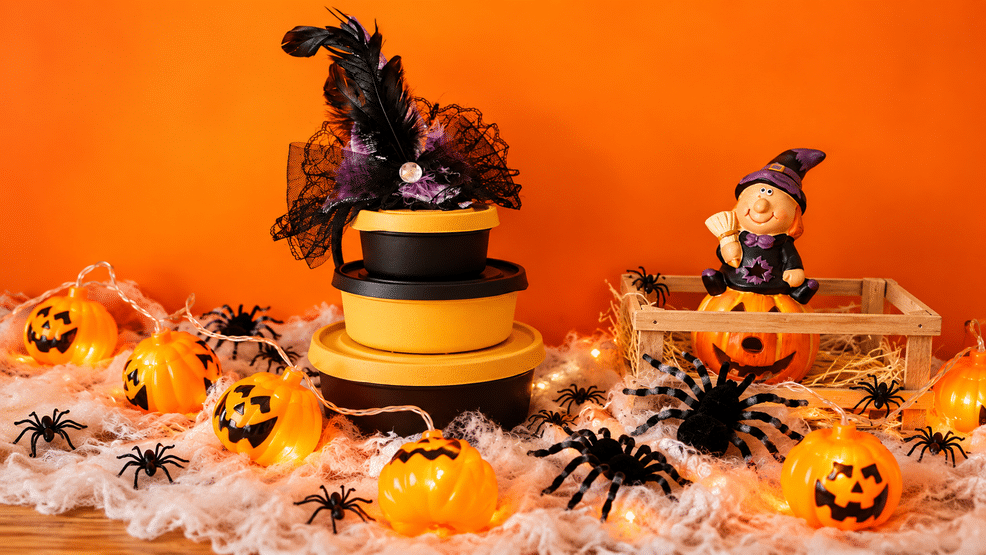
To achieve sustainable Halloween decorations, start by bringing back decorations from previous years before buying new ones. Garlands, fabrics, lights or figures can be reused over many celebrations if stored properly. If you need something different, you can also swap or borrow decorations and make use of materials you already have at home.
Cardboard boxes, fabric scraps, jars, reused containers, dry leaves or branches can be transformed into ghosts, bats, lanterns and other ornaments. The key isn’t to buy new products labelled as “sustainable”, but to make use of existing materials and create decorations that can be reused. Once Halloween is over, store ornaments that are still in good condition and correctly sort any materials that have reached the end of their useful life.
A pumpkin doesn’t have to become waste once it’s done its job as decoration. The varieties sold for carving are also edible, so we can think from the outset about how to use them and avoid wasting food. Whether we hollow it out to create the traditional Halloween pumpkin or use it uncarved, there are different ways to make use of its edible parts and properly manage what’s left after the celebration.
When hollowing out the pumpkin, set the flesh aside instead of throwing it away. You can use it to make creams, soups, purées, curries or stews, and also add it to sweet recipes such as cakes, breads or tarts. If you’re not going to cook it straight away, you can keep it in the fridge for a few days, or cook and freeze it to use later.
The seeds are also edible and can become a simple snack. Clean off any remaining flesh and roast them in the oven; afterwards you can eat them on their own or add them to salads, soups and other dishes. This way, the parts we normally discard when preparing the Halloween pumpkin become ingredients instead of ending up straight in the bin.
If the pumpkin is still whole and in good condition, the best option is to use it as food before it deteriorates. On the other hand, if it has already been carved, has been on display for several days, or shows mould, a bad smell or clear signs of decay, it’s best not to eat it.
Once it’s no longer fit to eat, you can put it in home compost or food waste, depending on your local collection system. The Royal Horticultural Society specifically recommends composting used pumpkins or putting them out with food waste, and advises against leaving them in parks, gardens or natural spaces for wildlife to eat, as this can disrupt their diet or expose them to wax and other decorative elements.
At Halloween, a good part of the waste comes from individually wrapped sweets, chocolate bars and snacks. To cut down, try to buy only the amount you really need and prioritise products with less packaging or formats that fit more quantity into the same package.
If you’re hosting a party at home, you can also prepare biscuits, popcorn, fruit or other snacks and serve them in reusable containers, avoiding some single-use wrappers. And if you do use packaged products, check how their wrappers should be disposed of in your area, since many flexible plastics aren’t recycled in the same way as rigid packaging.
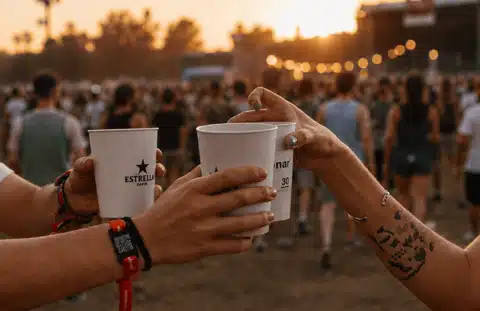
If you’re hosting a Halloween party, you can also cut down on waste when serving food and drink. Replacing single-use cups, plates, bowls and cutlery with options that can be washed and used again helps avoid waste from the outset and makes it possible to reuse the same items at future celebrations. Let’s look at why it’s important to avoid disposables and what reusable alternatives you can bring to the party.
Single-use products are convenient during a party, but they have a very short useful life: cups, plates or cutlery are used for a few hours and then become waste. In fact, cups, plates, cutlery and food containers are among the categories covered by European legislation on single-use plastics, which aims to reduce their impact and encourage more sustainable alternatives.
Whenever possible, it’s preferable to avoid generating this waste in the first place. The European Union’s waste hierarchy prioritises prevention and reuse over recycling, so using the same tableware across different celebrations helps extend its useful life and reduces the need to turn to new disposable products.
The simplest alternative is to use the tableware you already have at home. If you need more units or are looking for a sturdy option designed for repeated use, you can turn to reusable cups, plates, bowls and cutlery. What matters is choosing durable products that are food-safe and easy to wash, so you can use them at many celebrations.
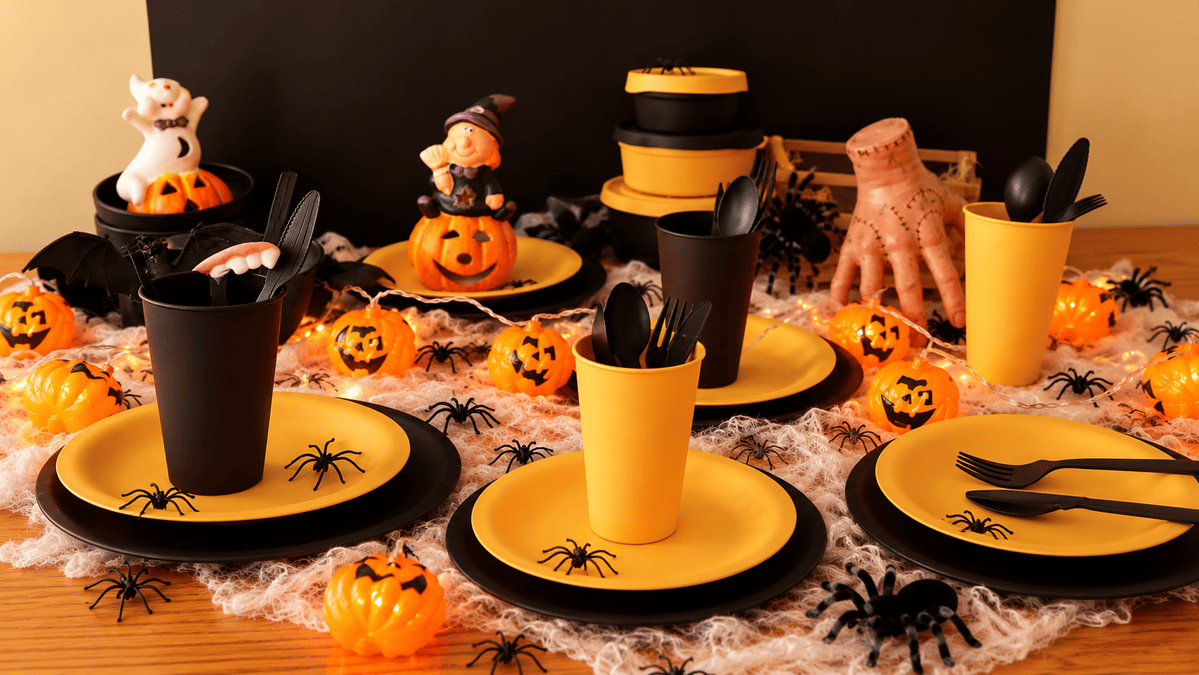
At Ecogots you’ll find reusable Halloween cups made from a combination of rice husk biomass and polypropylene, dishwasher-safe and suitable for both cold and hot drinks. They’re sturdy, wash easily and can be stored away to be used at the party and brought out again next Halloween or for any other celebration.
If, on top of the cups, you’d also like matching plates, bowls and cutlery, the Halloween tableware pack brings together a more complete set for putting together the whole table with the same reusable approach. And if you’re hosting a party or event with lots of guests, the cups can be personalised, a nice way to add a different touch for the group.
Classic trick-or-treating can also generate less waste. Instead of buying bags or plastic buckets specifically for Halloween, use a fabric bag, a basket, a small backpack or even a pillowcase you already have at home. National Geographic specifically recommends turning to reusable bags and containers that can continue to be used after the celebration.
If you want to give it a more special touch, you can temporarily decorate the bag or basket with items you have at home and remove them afterwards. What matters is avoiding buying a container designed for just one night: reusing something we already have tends to be the simplest option, and the one most in line with a sustainable Halloween.
A sustainable Halloween party starts with properly planning what you actually need. Work out the amount of food and drink based on the number of guests, avoid buying decorations or tableware you’ll only use once, and reuse as much as possible from previous years. The EPA specifically recommends cutting back on unnecessary purchases, using reusable tableware and keeping decorations for future celebrations.
It also helps to plan waste management properly: set out clearly labelled bins so guests can separate packaging, organic waste and general waste according to your local collection system. If there’s food left over, store it properly to eat later and avoid serving more than is needed; preventing waste is environmentally preferable to managing it once it’s been created.
The idea isn’t to complicate the celebration, but to organise it better: fewer impulse purchases, more reuse and more mindful management of food and waste can considerably reduce what ends up in the bin by the end of the night.
Halloween can be a great opportunity to teach sustainability in a practical and fun way. Rather than simply explaining concepts, children can take part in concrete decisions: choosing a costume from clothes they already own, making ornaments from reused materials, decorating a pumpkin and later using its seeds, or preparing reusable trick-or-treat containers together. National Geographic specifically suggests this kind of family activity to reduce plastic and waste during Halloween.
The key is to involve them in the process and frame it as a creative challenge rather than a list of things they can’t do. Simple questions like “Can we reuse this?”, “What can we do with this material?” or “Do we really need to buy it new?” help introduce habits that go beyond Halloween. In this way, the celebration can be a natural way to work on ideas such as reducing, reusing and making better use of resources.
Before starting the celebration, you can use this checklist to quickly check whether you’ve reduced the main sources of impact:
| Check whether… | Better option |
|---|---|
| You’re going to buy a new costume | Reuse, swap, rent or look for a second-hand one |
| You need new decorations | Bring back last year’s or make your own with materials you already have |
| You’re going to carve a pumpkin | Set aside the flesh and seeds for cooking |
| The pumpkin can no longer be eaten | Compost it or dispose of it with the relevant organic waste |
| You’re going to buy a lot of candy | Adjust the quantities and prioritise options with less packaging |
| You’ll be serving food or drink | Use reusable cups, plates, bowls and cutlery |
| The kids will go trick-or-treating | Take a bag, basket or container that can be used again |
| You’re hosting a party at home | Set out containers to correctly separate waste |
| There will be food left over | Store it properly so it can be eaten later |
You don’t need to tick every box perfectly. The goal is to spot where you can cut back on purchases, reuse what you already have and avoid creating unnecessary waste before the celebration is over.
Celebrating a sustainable Halloween doesn’t mean giving up costumes, decorations, candy or a good party. It’s about enjoying the celebration with a bit more planning: reusing before buying, making the most of food, avoiding single-use products and choosing options that can keep being used afterwards.
Many of these changes are simple, and they can also make Halloween feel more creative and personal. An improvised costume made from clothes at home, handmade decorations or a table set with reusable tableware can keep the full spirit of the celebration while reducing the waste it generates at the same time. In short, being spooky and celebrating more responsibly are perfectly compatible.